
When did you last independently review your tax function?
Better Tax Functions. Not More Tax Complexity.
Not your tax position. Your tax function: how the team, processes, technology, data, governance and sourcing work together, and where the next investment will create the most value.
Start with a decision, not a programme
Tax functions carry more regulation, data, reporting and technology expectations, often with small teams and limited capacity. Yet the market usually arrives with a predetermined answer: more software, more outsourcing, more advisers or a large transformation programme.
We provide the independent diagnosis before the organisation commits to the solution.
The mid-sized multinational
Complex enough to need a professional tax operating model, but not large enough to solve every issue by adding specialist teams, systems and advisers. Revenue of approximately €500m–€2bn+ is a useful profile, not a hard boundary.
How the review worksThe triggers we hear
- Manual processes and spreadsheets have accumulated without an overall design.
- The organisation owns technology but is unsure whether it is being used well.
- An ERP change, acquisition, growth phase or leadership change creates a natural review point.
- The tax team is stretched, dependent on key individuals or unclear about what to keep in-house.
- AI and automation are on the agenda, but the useful applications are not yet clear.
- The CFO needs a defensible investment roadmap, not another catalogue of possibilities.
The right answer is not always something new
Software vendors are built to sell software. Outsourcing providers are built to take on work. Large advisory firms are built to deploy teams. Each may be valuable at the right moment, but none is naturally positioned to decide, without bias, whether the client needs them.
We do not need to sell software, outsourcing or an army of consultants.
That freedom changes the conversation. We can recommend a new tool, better use of an existing tool, a simpler process, a different role profile, selective outsourcing, stronger governance, or stopping work that no longer creates value.
A complete view of the tax function
Six connected dimensions, each assessed for business fit, cost, risk, scalability and readiness to change. Not a theoretical maturity score, but a grounded view of what works, what constrains performance and what to do next.
People
Capacity, roles, skills, resilience and leadership
Process
Efficiency, standardisation, controls and handovers
Technology and data
Architecture, adoption, data quality, automation and AI
Governance
Ownership, risk, oversight and decision rights
Sourcing
In-house, shared services, advisers, managed services and vendors
Business alignment
Ambition, budget, culture, timing and internal dynamics
Three phases with a natural decision gate
The review is bounded, fast and useful on its own. Moving to the next phase is optional and based on your decisions.
Review
A focused, senior-led review of the current tax function. Interviews and evidence become a concise diagnosis and priority agenda.
Design and blueprint
A practical future-state design grounded in ambition, resources, budget, culture and capacity for change. Each key process is challenged: keep, improve, automate, buy, build, outsource or stop.
Transformation oversight
Optional support on your side of the table. We challenge choices, vendors and delivery, and help the original intent survive implementation.
Independent judgement from lived experience
Hank Moonen and Raj Balgobind combine careers across corporate tax leadership, advisory, technology, product development and transformation. They understand the choices not only as advisers, but as buyers, users, builders, vendors and implementation leaders.
Meet the team
Hank Moonen
Founder of TaxModel. 25+ years in tax leadership, advisory and tax technology.
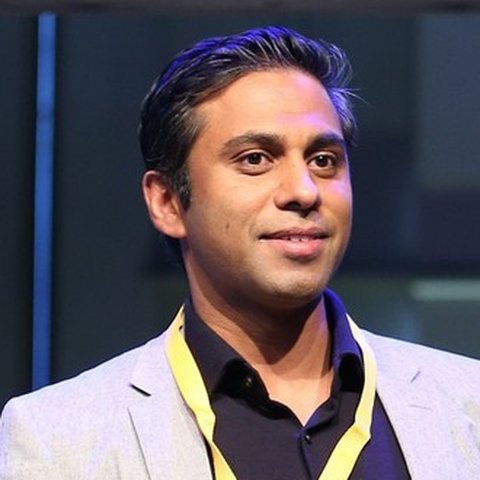
Raj Balgobind
20+ years in tax, finance and technology. Former PwC Ireland lead for tax technology.
The first conversation
A short discussion can establish whether a Tax Function 360° Review would create value, what the right scope should be and which stakeholders should be involved. If the timing is not right, we will say so.